
Video
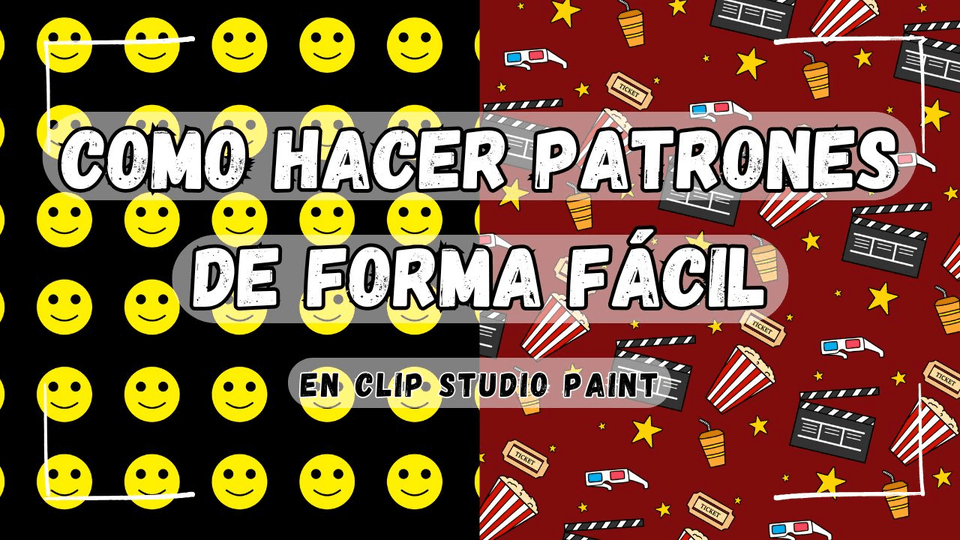
Here is a video with more information on the subject.
Intro
Hello! My name is Drawsiree and I am an illustrator. 6 years ago Clip Studio Paint became my main work tool as a digital artist and I have learned 10 tricks that will help you draw faster and that I would have liked to know when I started painting in Clip Studio.
Scan Lineart
You just finished your line drawing that you made by hand and you want to color it but you don't want to damage it. In situations like this, clip studio has a tool that will extract the outline and color it digitally.
The tool is called Convert Brightness to Opacity and you can find it in Editing.
Clip Studio Paint will eliminate the white background and you will be left with the black outline. Now you can add color as always but you did the outlining in a traditional way.
Fill base colors quickly
This trick will save a lot of time. The first step in my coloring is to apply the base color to my illustrations.
With the Enclose & fill tool I can in seconds, the tool is the fusion of the paint can and the lasso. You can find it on the paint can panel and it is the third option.
You just have to select the outline of the illustration and the program will fill the figure.
Ready!! Now you can start coloring. You can start by creating a layer and applying a clipping mask so you can paint each element.
Shading in seconds
The option is called Automatic Shading and you can find it in the Edit window.
A dialog box will open where you can change the type of shading and the shading style (soft or Cell shading).
you can also change the shadow colors
Here is the end result! I use it to plan shading
automatic coloring
I like to use the Auto Coloring tool to try different color combinations for my illustrations
First, I place 4 sketches where we will apply different color palettes to see which one works best.
The Automatic Coloring tool can be found in the Edit. window.
Many layers?? There are no problems
Most of my illustrations have hundreds and hundreds of layers and sometimes it is difficult to move between layers.
The option is in the layers panel and when we select it, the program will duplicate the layers panel.
Now you can work without worrying about the number of layers and how to move between them.
Draw hands easier
It is one of the biggest problems that we artists suffer from and that is drawing hands. Thanks to the Hand Scanner tool it is easier.
It is an excellent tool if you are looking for a specific reference that you cannot recreate.
The program will imitate the pose of your hands that is reflected in the camera. It is easy to use and I invite you to try it.
Share your process
With the rise of social networks such as Instagram, YouTube or TikTok, artists become content creators. Sharing your process is an excellent idea for them to learn about your sketching and coloring process.
When creating a new canvas, you can activate the Timelapse recording option and clip studio paint will start recording everything you do within the canvas.
To export the recording. you must open the menu Edit > Timelapse > Export Timelapse
Here you can modify the duration of the video (15s, 30s and full). The 1s and 30s option is recommended for shorts, reels or tiktoks and the full video option can be used on YouTube.
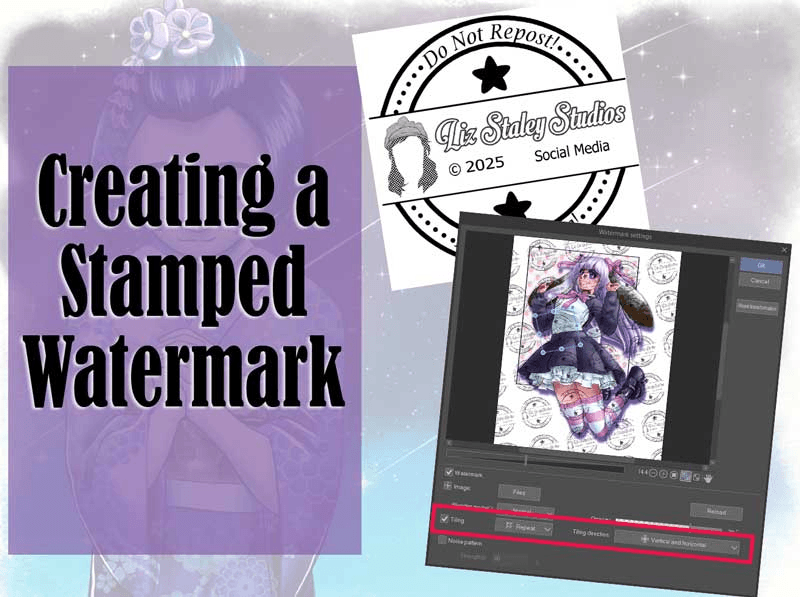
It also allows you to add your own watermark so that your work is not stolen. It allows you to place it where you want, you can change the layer mode and opacity. The logo of being .png.
Perfect Subview Panel for References
I like to use references to draw and add color to my illustrations. Where can I place all my reference images to have them at hand? The subview panel is your best option.
You can find it next to the browser window. You can also go to Window > Subview.
By pressing the folder icon, you can import the images that you will use as references.
You can navigate between images by pressing the arrow and so you can see all your references.
You can also see them all at once in gallery mode.
You can also use the dropper to take a color sample.
Ready! Now you can finish applying your illustration. Remember, using references doesn't make you any less of an artist. Using references is an important part of creating art.
Simple way of CSP app
A few months ago I published an article explaining how to use simple mode in the Clip studio app.
CSP in its version for tablets is super complete and has all the tools that its counterpart has on the computer.
Simple mode is an interface that takes full advantage of the screen capabilities of a tablet or mobile device. You have access to the basic features you need to create your artwork and any additional features you need. This mode is recommended for people creating illustrations for the first time or who want to use the entire tablet screen.
Easy Mode includes a variety of features that are easy to use even for digital art beginners, from basic illustration tools to 3D shape drawing, close and fill, and liquidify.
Lineart with vectors
The sketch is ready and now it is time for the next step: Lineart or Delineado. Recently they recommended to me to use the option of using vectors to make the Lineart.
Vectors in CSP? I didn't know it was possible. It is the best way to outline since you have better control. First we will create a vector layer (icon next to the create a new layer icon)
Now, choose the brush and color you will use to make the outline.
Many times we are not happy with the result with the eyeliner, especially if you are just starting out. We can modify it with the Operation> Object option.
Select the section of the outline that you want to modify and adjust the line
Additionally, you can also modify the stroke size and color.*
Conclusion
I hope all the information has helped you learn and master Clip Studio Paint.
I invite you to try some of these tricks and continue creating art.
Until next time!!
-Drawsiree
Mis Redes (tiktok, Youtube, Kofi)
Users who liked this post






Comment