
Basic Windows/Mac version operation

-
 MVP ◆This user has contributed greatly to the management of the community, by posting many great responses to the questions asked. Once every three months, MVPs are determined based on the points earned during that period and will be recognized accordingly.
 -
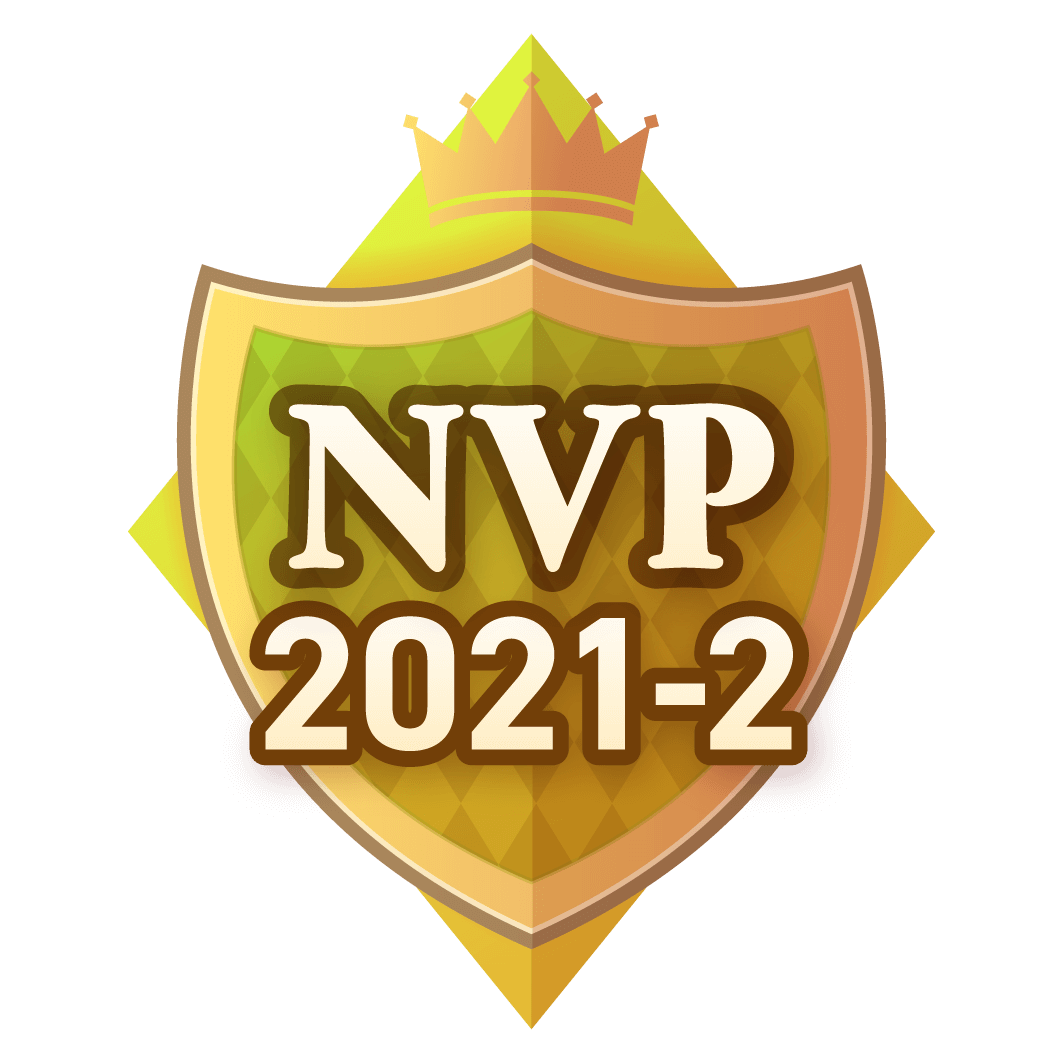 New Valuable Player (NVP) ◆These are the next-best contributors to the community after MVPs. This is awarded to users who have not yet won an MVP award, based on the number of points they have earned.
 -
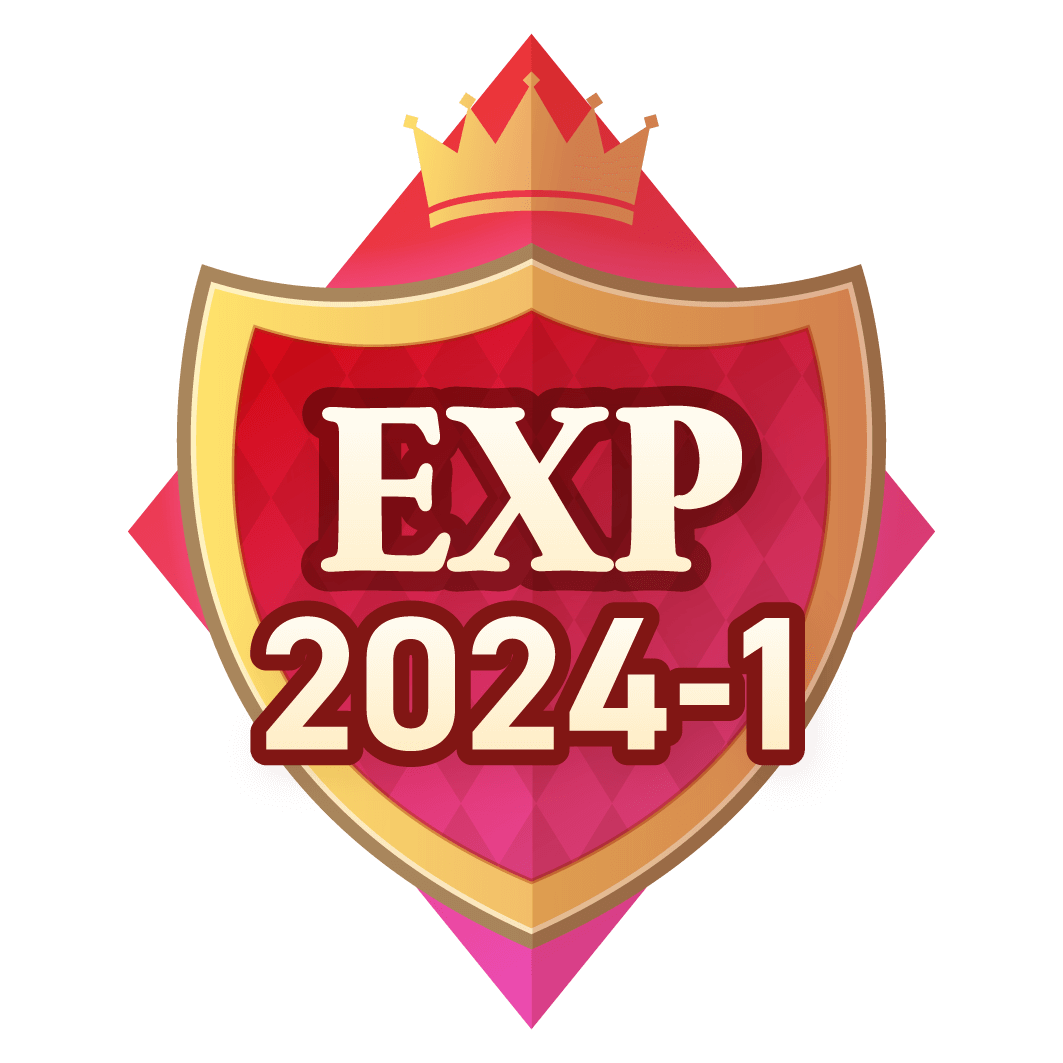 Official Expert ◆Chosen out of all MVP awardees, who are already proof of excellence, this is a testimony of outstanding correspondence in the community. After careful screening, they are appointed by CELSYS and assume their position.Note: Formally called “Evangelists”
 -
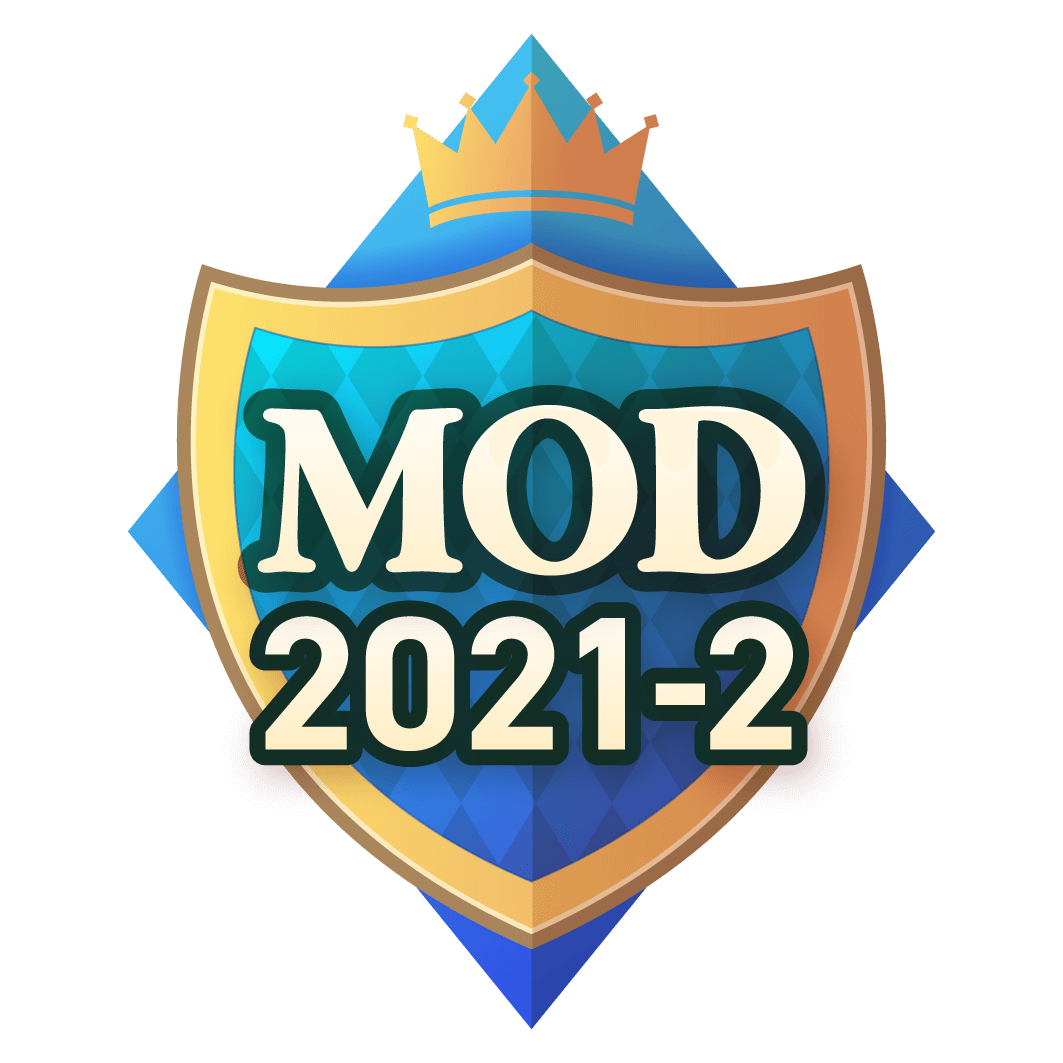 CELSYS official moderators ◆Moderators are official CELSYS staff members who are fluent in Japanese as well as various other languages. As moderators are not experts on software or creative work, they will not be able to directly answer your questions. However, moderators will provide communication and language support to ensure that everyone can smoothly communicate with each other.
 -
 CELSYS officialThis is the official administrator account.
This article provides a list of tutorials that you can follow to learn the basic operations and tools of Clip Studio Paint.
[1] How to Use Clip Studio Paint
What do I need to do to use Clip Studio Paint?
This article covers all the steps from downloading the trial version to setting up your drawing tablet.
[2] Basic Canvas Operation
This series covers the foundations of how to use the canvas, including the shortcuts you’re likely to use frequently.
Shortcut keys are very useful, especially on the Windows/macOS versions which do not make use of touch gestures.
[3] Setting up
The following three series cover some useful features to set up before you start creating your art.
They cover pressure sensitivity which adjusts settings for easier pen and brush use, as well as customizing the position and color of the interface.
It’s useful to set up Clip Studio Paint based on what you will be drawing.
[Illustration production] Setting up CLIP STUDIO PAINT
[Comic production] Setting up CLIP STUDIO PAINT
[4] Sharing your artwork and settings
With Clip Studio Paint, you can use the Clip Studio cloud service to share your artwork across multiple devices. For example, you can draw on an iPad and then work on the same artwork on your computer.
You can also share settings across multiple devices using the cloud service. Use this to import your favorite brush settings and workspace layout to a different device.
How to Use the Cloud Service
[5] Using materials
You can use Clip Studio ASSETS to download materials such as brushes, textures, and 3D models to Clip Studio Paint.
You can find official Celsys materials as well as thousands of materials made by Clip Studio Paint users.
You can also publish your own materials to ASSETS.
CLIP STUDIO ASSETS
[6] Troubleshooting
If you aren’t sure how to use Clip Studio Paint, try asking your question in Clip Studio ASK.
Clip Studio ASK is a service where users answer each others’ questions about creating illustrations, comics, 3D models, and animations.
Post your question here for it to be answered by members of the Clip Studio Paint community. You can also search past questions to see if your question has already been answered.
CLIP STUDIO ASK
Note:
You can access ASSETS and ASK from the pull-down list next to the site heading at the top of the screen.
Users who liked this post







Comment